
Supply Chain Traceability

Building reliable rHDPE recovery networks for a circular economy.

1. Sourcing & Mapping

Ward Mapping: Identifying high-density waste generation zones.
Door to Door Collection : Systematic collection at the source.
Training: Empowering Swachhmitras and Self-Help Groups.
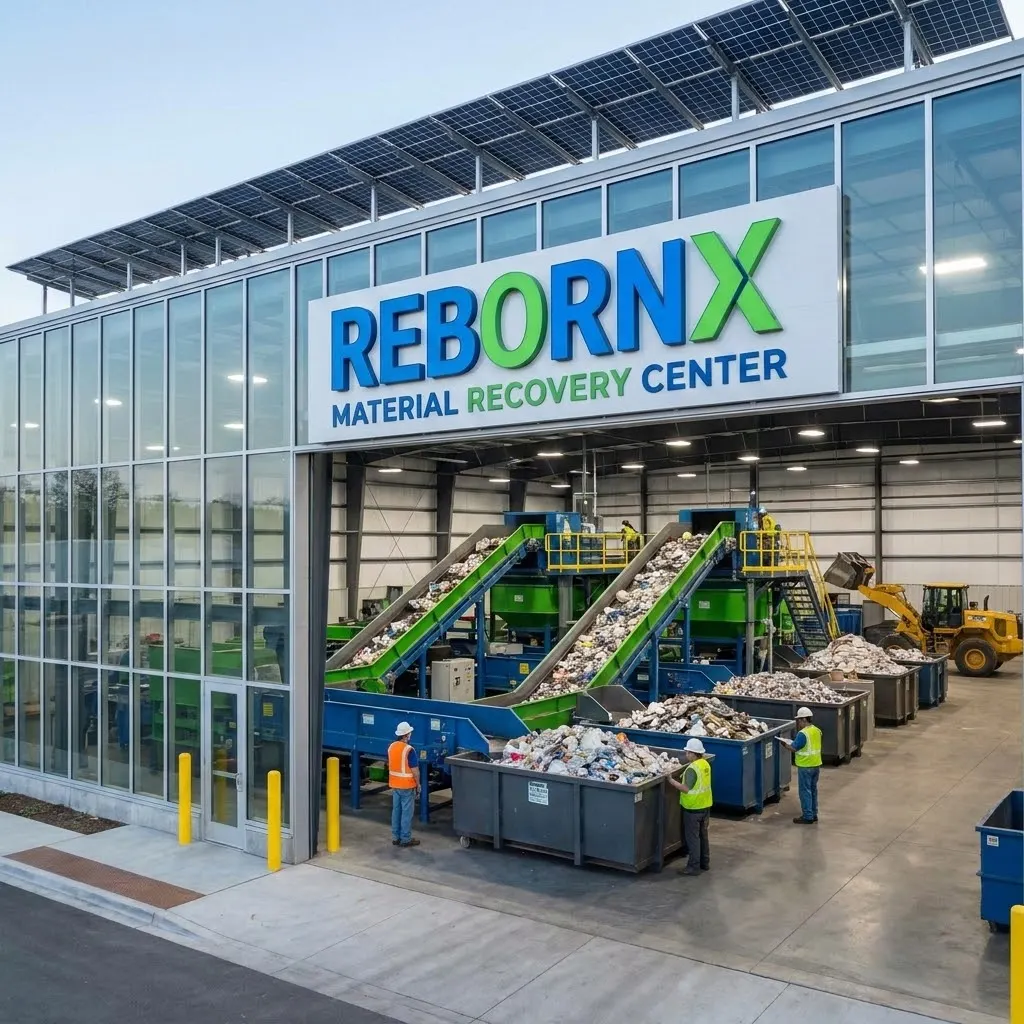
2. Logistics & Data

Recording Data: Full traceability of HDPE container origin.
Zero Waste Centers: Efficient material delivery and follow-up.
Interactions: Seamless collaboration with waste handlers.

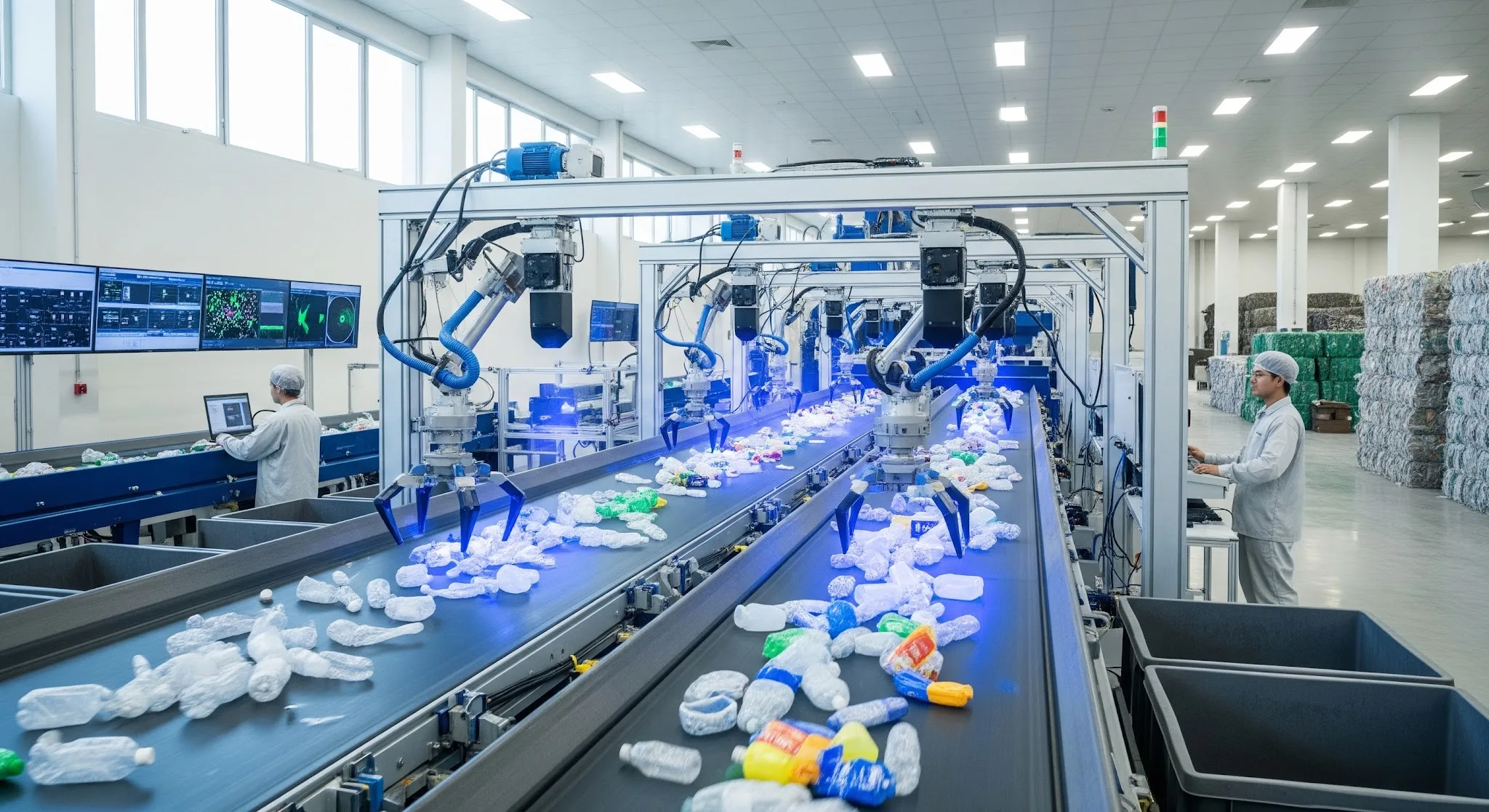
3. Processing & Output

Dry Waste Sorting: Advanced separation at the MRF Center.
Material Dispatch: Quality-controlled recyclable stream.
Sent to Recyclers: Consistent feedstock for industrial use.
Stats strip

Pan-India Presence

Cities/Towns Covered

Supplier Network

HDPE Sourcing Capacity

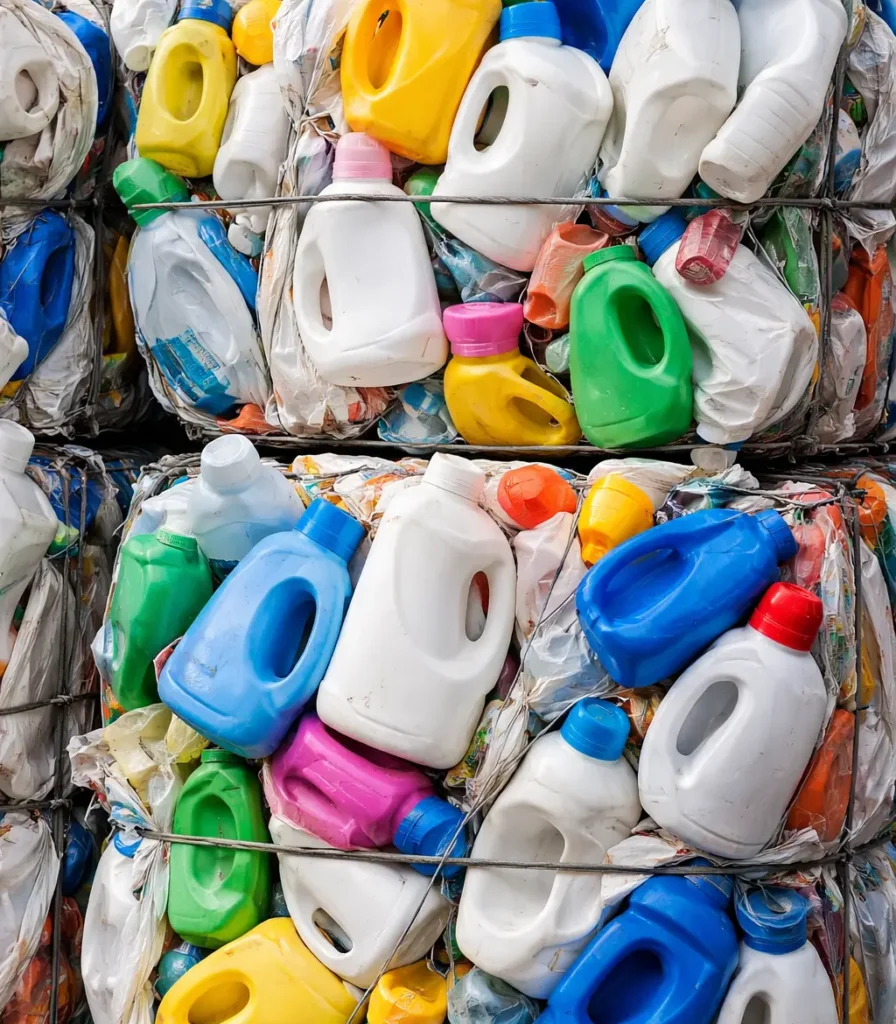
Quality feedstock

For successful circular economy outcomes, recycled materials must deliver stable, repeatable performance. That starts with selecting and processing HDPE waste streams with comparable base properties—so the final rHDPE output is dependable for industrial manufacturing.

Callout line (HDPE-only): We focus exclusively on HDPE collection, sorting, and recovery to ensure consistent feedstock quality.

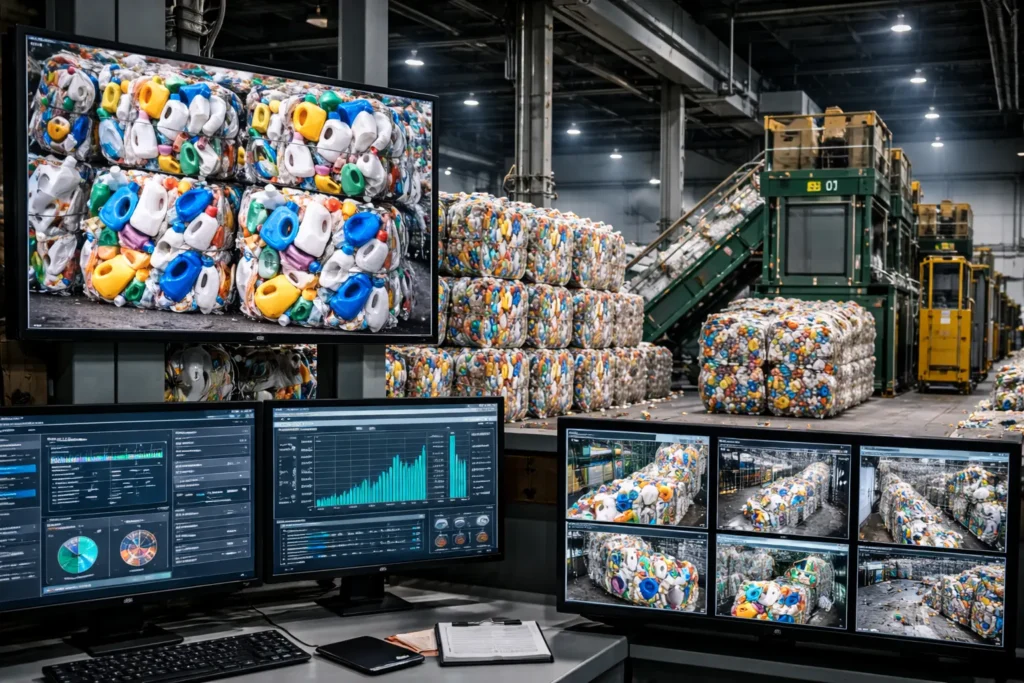
Pioneering technology platform

We map and integrate collection and aggregation points, supporting structured sourcing and verified movement of HDPE materials through the value chain. This helps improve consistency, visibility, and coordination from recovery to processing.

Transparency and traceability

We support traceability and documentation workflows aligned to customer requirements—helping brands and manufacturers track HDPE recovery and recycling pathways and strengthen EPR reporting readiness (as per engagement scope).