Share your HDPE packaging scope and target requirements
We understand your packaging categories, targets, timelines, and expected compliance outcomes.
Step 01

We help brands and businesses meet their EPR obligations through reliable recycling support, transparent documentation, and traceable compliance processes.
At RebornX EcoTech, our EPR solutions are designed to support responsible plastic waste management while helping companies move closer to their sustainability and circularity goals. From collection and recycling support to recycled material integration, we enable businesses in India to take a more structured and compliant approach to plastic waste responsibility.
With end-to-end guidance and documentation support, our team helps companies navigate the EPR process in line with applicable CPCB compliance requirements.
Extended Producer Responsibility (EPR) is an environmental policy approach that makes producers, importers, and brand owners responsible for managing plastic waste generated from their products and packaging.
The goal of EPR is to encourage businesses to design packaging that is easier to recycle, reduce the environmental impact of plastic waste, and strengthen recycling systems across the value chain. Under EPR, companies are expected to ensure that equivalent quantities of plastic waste are properly collected, processed, and recycled through authorized channels.
At RebornX EcoTech, we support businesses in advancing their EPR commitments through practical recycling solutions focused on traceability, responsible processing, and circular material recovery. Our approach helps companies reduce waste, improve resource efficiency, and contribute to a more circular plastics economy.
EPR is a critical step toward building a more sustainable and accountable waste management ecosystem. It creates a framework where environmental responsibility is shared by the businesses that introduce plastic packaging into the market.
EPR encourages companies to adopt packaging designs that are easier to recycle, reuse, and recover.
It helps reduce pollution by ensuring plastic waste is collected and processed more responsibly.
EPR shifts the burden of waste management from public systems alone to the producers generating the material footprint.
It motivates businesses to rethink material choices and packaging formats in favor of more circular solutions.
A structured EPR strategy helps businesses stay aligned with applicable environmental regulations and compliance frameworks.
EPR credits help bridge the gap between plastic waste generated and plastic waste responsibly processed through authorized recyclers and waste management channels.
They provide a practical mechanism for companies to fulfill part of their EPR obligations while supporting real recycling outcomes on the ground. When backed by responsible processors and transparent documentation, EPR credits can strengthen collection systems, improve traceability, and create measurable environmental impact.
A well-designed EPR ecosystem can also contribute to:
Better organization of waste collection and recycling systems
Improved data visibility for reporting and compliance
Stronger support for formal, accountable waste management networks
Greater momentum toward circular economy adoption
For EPR systems to create long-term value, they should be built not only around compliance, but also around environmental integrity, operational transparency, and responsible execution.
EPR credits offer companies a structured way to address their plastic footprint while supporting recycling and sustainability outcomes.
By contributing to responsible collection and recycling, EPR credits help reduce the amount of plastic waste reaching landfills and the natural environment.
They offer businesses a practical route to address obligations where direct recovery systems may not yet be fully established internally.
EPR participation demonstrates commitment to responsible business practices and can reinforce broader ESG and circularity goals.
Working with transparent recycling partners helps build trust with customers, regulators, and stakeholders.
Identify your plastic packaging category and determine your EPR requirement.
Understand the quantity and type of plastic introduced into the market as part of your packaging or operations.
Work with a qualified recycling partner to support the collection, processing, and documentation of eligible plastic waste.
Provide the required obligation details so that the recycling support can be aligned accordingly.
After verification and processing, the necessary documentation and compliance support can be issued as per applicable requirements.
India’s plastic waste EPR framework is intended to ensure that businesses remain accountable for the plastic packaging they introduce into the market, even after it has been used and discarded.
Through the centralized EPR system, businesses can:
Register under the relevant category as required
Declare plastic packaging details and waste obligations
Monitor compliance performance
Work with registered plastic waste processors and recyclers
This framework supports more transparent reporting, better accountability, and stronger recycling outcomes across the plastic value chain.
RebornX EcoTech helps businesses turn EPR from a compliance obligation into a practical sustainability action.
With a focus on responsible HDPE recycling and circular material recovery, we support brands and manufacturers through transparent processes, traceable documentation, and dependable recycling execution. Our solutions are designed to help businesses meet compliance expectations while also advancing resource efficiency and circular supply chain goals.
Our support includes:
Guidance on EPR-related recycling requirements
Responsible processing support through recycling operations
Transparent and traceable documentation
Circularity support through recycled material integration
A partnership-led approach focused on long-term sustainability outcomes
By combining recycling expertise with a circular economy mindset, RebornX EcoTech helps businesses move toward more accountable and measurable plastic waste management.
EPR is no longer just a regulatory requirement. It is becoming an important part of how responsible businesses manage risk, build trust, and demonstrate sustainability leadership.
Companies can use EPR strategies to:
Reduce the impact of their plastic footprint
Support responsible recycling systems
Meet environmental and compliance goals
Strengthen ESG positioning
Build a more circular and future-ready supply chain
Support for sourcing, aggregation, and routing HDPE waste through verified recycling pathways.
Sorting, cleaning, and processing support to convert HDPE waste into usable recycled raw material.
Assistance with required documentation, tracking, and reporting inputs (based on agreed scope).
Helping you integrate rHDPE into manufacturing and packaging to close the loop.
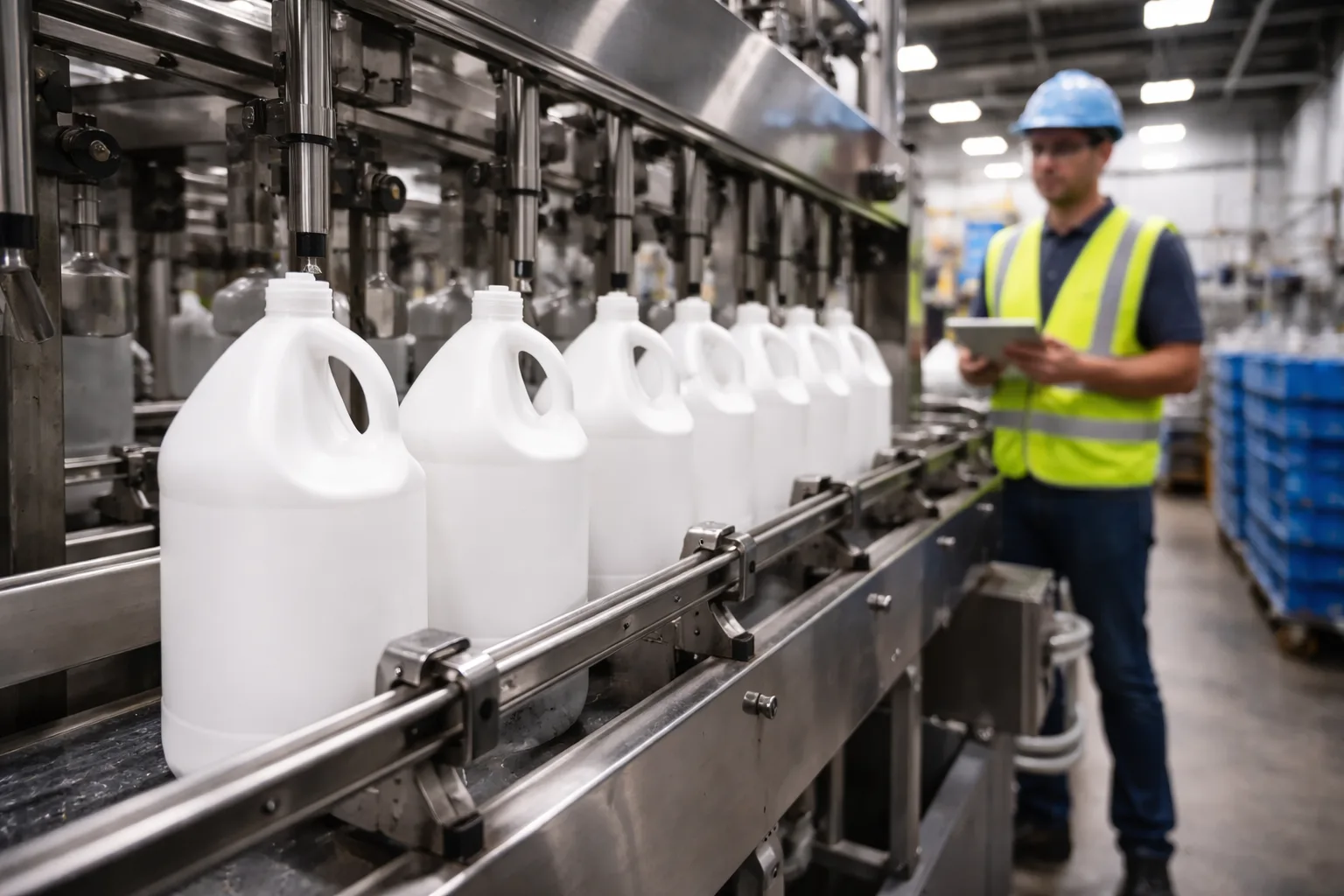
A clear, step-by-step approach to support HDPE-focused EPR requirements.
We understand your packaging categories, targets, timelines, and expected compliance outcomes.
We align on locations, volume estimates, timelines, and the HDPE recovery pathway.
Execution through verified channels, with a focus on HDPE stream integrity and consistency.
We support required documentation and reporting inputs based on the agreed scope.
We review performance and plan monthly/quarterly cycles for continuous improvement.